
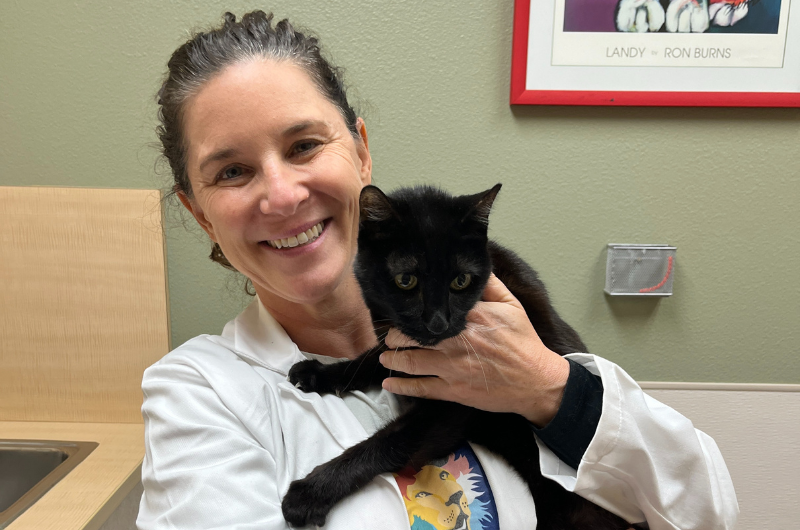
This feels like a different kind of blog post for me.
And maybe that’s OK—because after a period of transition, I’m stepping into a new season of my professional journey as a practicing veterinarian.
Maybe you’re in a season of change, too.
Or maybe you haven’t named it yet, but feel the quiet tug that something just isn’t right.
Maybe it will lead to a new job, a total professional pivot, or simply a long-overdue conversation.
Wherever it leads, I hope what I’m about to share about knowing when it’s time to make a change helps you take your next steps forward.
Pay attention to the quiet data
As veterinarians, we’re used to dealing with hard data. Lab results, statistics, and studies give us tangible frameworks for making informed decisions. When it comes to our professional satisfaction, things aren’t always so black and white.
… Our production numbers may be record-breaking, but inside, we may be struggling or even burning out.
… Clients may write five-star reviews on days we can only bring two stars to the table.
… Leadership changes can make us ache for old rhythms, family-style culture, and medicine that felt an extension of our hearts and hands—rather than a service to be bought and sold.
Your internal metrics
But what if these feelings are the information? What if these emotional cues—our exhaustion, frustration, or sense of disconnection—are actually the information we need to evaluate our well-being and direction?
These indicators of change will look different for everyone, but some common presentations include:
- Feeling unseen or unheard — Silence is deafening. When requests go unreviewed, concerns are dismissed, and good ideas you share aren’t implemented—or even discussed—by leadership, it can leave you feeling excluded, silenced, and unappreciated.
- Questioning your value or contribution — You still care deeply for your patients and clients and strive to do what’s clinically best, but external forces (e.g., leadership, practice budgets, cultural mindset) limit your autonomy, question your decisions, or even dictate how you provide care—leaving you frustrated and limiting your ability to provide quality care.
- Dreading work that once inspired you — Our work is challenging and emotionally heavy, but if you find yourself struggling to get ready, walk in, or see appointments, it’s time for a deeper investigation.
The small things add up
It’s rarely one big event that makes us realize something needs to change. More often, it’s the accumulation of small frustrations, compromises, and moments when we stop recognizing ourselves in our work.
Maybe it’s saying “just one more shift” when you’re already depleted. Maybe it’s skipping lunch again. Or maybe it’s the way your stomach drops before walking into a clinic that no longer feels like home.
These small moments are the breadcrumbs leading you toward clarity. Paying attention to them doesn’t mean you’ve failed—it means you’re listening.

Leaving isn’t always the answer
Have you ever told yourself you’re going to put in your two-week notice, just to help yourself get through the week—or even a single shift?
While visions of walking out can be motivating, consider this:
- The euphoric effect is usually temporary
- Quitting is permanent—and rarely the best choice
Instead, what’s often needed is a conversation. Confronting the issues, ideally when they’re small, can help clear the air, alleviate tension, and create effective solutions. It also positions you as a proactive, communicative professional who’s invested in making things work rather than walking away at the first sign of friction.
These conversations aren’t easy, but they’re often the bridge between how you’re feeling and the meaningful change you seek.
Leaving may be the only answer
If a tough conversation proves to be too difficult or yields no results, it may be time to part ways. And that’s OK. Whether your professional needs or goals have changed, or you no longer recognize the clinic you once loved, acknowledging the situation as it is, rather than as it used to be, can free you to pursue real growth.
While change can be difficult, especially if you’ve been at your clinic for some time, there’s no shame in recognizing that your position is no longer the right fit. Let go of guilt and any lingering sense of obligation and instead move forward with confidence, clarity, and curiosity. And don’t forget to revisit your why and stay attuned to your quiet data as you figure out what’s next.
To endings and beginnings
Walking away isn’t always the solution, but it’s also not something to rule out. When you learn to notice and acknowledge the emotional cues and quiet shifts in your daily experience, you’re more prepared to take thoughtful action and ultimately make a decision based on your reality, not fear or frustration.
Don’t lose your joy! If you feel the pull of change or a sense of unrest, take the next step. I did, and I’m so excited to get back into the clinic again.
Ready for more practical early career advice? Ready, Vet, Go Veterinary Mentorship is an innovative online program and community that helps new and early career veterinarians build confidence, gain independence, and experience greater joy. Visit our FAQ page to learn more about what we offer or get in touch with our team.